
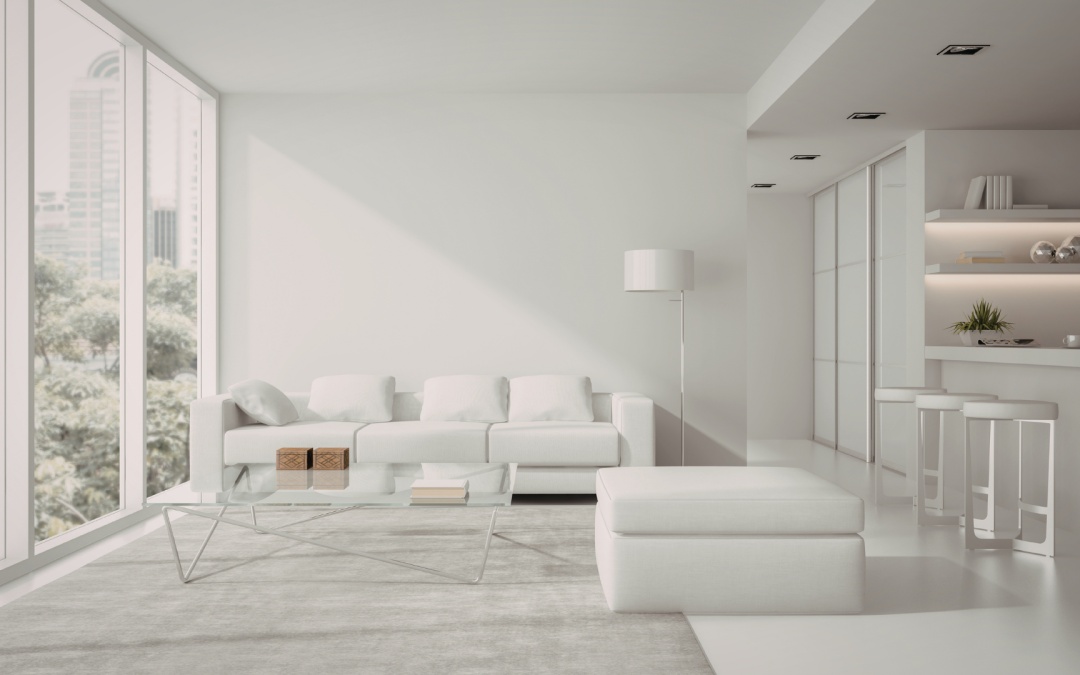
The importance of natural light in the home
Natural light doesn’t just illuminate a space: it transforms the way we live in it. A bright home directly influences our physical, emotional, and mental well-being. From improving sleep to boosting mood, daily exposure to sunlight has a real impact on our quality of life. Below, we show you the main benefits of natural light at home and how you can enhance it.
1. Save energy and reduce electricity consumption
One of the most obvious benefits of natural light at home is energy savings. When a home is well-oriented and has large windows, the need to turn on artificial lights during the day decreases considerably. This not only reduces the electricity bill but also improves the home’s energy efficiency. An energy-efficient house does not depend exclusively on technology; it also depends on its design and how it harnesses sunlight.
2. Reduce your home’s environmental impact
Lower electricity consumption means lower energy demand. Taking advantage of natural lighting is a simple and effective way to make your home more sustainable. Homes designed to maximize the entry of natural light, especially in coastal areas, allow for a reduction in the use of artificial resources and encourage a more environmentally responsible lifestyle.
3. Improve your rest and regulate your biological clock
Natural light and health are directly related. Our body functions according to circadian rhythms that depend on exposure to sunlight. Receiving natural light during the day helps regulate melatonin production, facilitating deeper and more restorative night-time rest. Bright homes favor a more balanced sleep cycle, which translates into more energy and focus during the day.
4. Improve mood and emotional well-being
Among the psychological benefits of natural light, its influence on the production of serotonin, known as the well-being hormone, stands out. Dark spaces can generate a feeling of heaviness or fatigue. In contrast, a bright home favors a more positive attitude, reduces stress, and improves productivity, especially in remote work contexts.
5. Make spaces look larger and more welcoming
Visual perception changes completely in a well-lit environment. Natural light visually expands spaces, enhances light colors, and highlights textures and materials. If you’re wondering how to make a house brighter, the first step is to allow light to flow without obstacles. An illuminated room looks more orderly, cleaner, and more welcoming.
6. Connect the interior with the exterior
Large windows, terraces, and open spaces allow the interior and exterior to integrate visually. This connection creates a sense of freedom and well-being, especially in homes located in coastal areas where the natural environment is part of the lifestyle.
7. Increase the value of the property
Brightness is one of the most valued factors when buying a home. Buyers prioritize houses with good orientation, large windows, and abundant natural light. A bright house not only improves the experience of its inhabitants but also increases its appeal and competitiveness in the market.
Practical tips to increase natural light at home
Use light and neutral colors
Soft tones on walls, textiles, and furniture reflect light better and enhance the feeling of spaciousness.
Arrange furniture well
Avoid placing tall furniture in front of windows. Allowing the free passage of light is key to maximizing its effect.
Add mirrors strategically
Mirrors reflect and multiply natural light, especially when placed opposite windows.
Keep glass clean
A simple gesture that significantly improves light entry.
Opt for a minimalist environment
A clutter-free space allows light to circulate better and avoids unnecessary shadows.
Install architectural solutions
Interior windows or glass doors can bring light to darker areas of the home.
Bright homes for sale with Sonneil
At Sonneil, we are committed to homes designed to make the most of natural light. Large windows, strategic orientations, open terraces, and layouts designed to encourage light entry are part of our home concept. If you are looking for bright homes on the coast, we have options in privileged locations where the sun is the protagonist for much of the year.
Conclusion
Natural light is an essential element in any home. It not only improves the aesthetics of spaces but also directly influences our health, our rest, and our emotional balance. Living in a bright home means enjoying a healthier, more efficient environment that is more connected to the outside. It is a feature that impacts daily life and makes a difference in the long term, both in personal well-being and real estate value. Making the most of natural light doesn’t require major changes, but rather conscious decisions in design, distribution, and choice of housing. Because when a home is full of light, it is also full of quality of life.


