
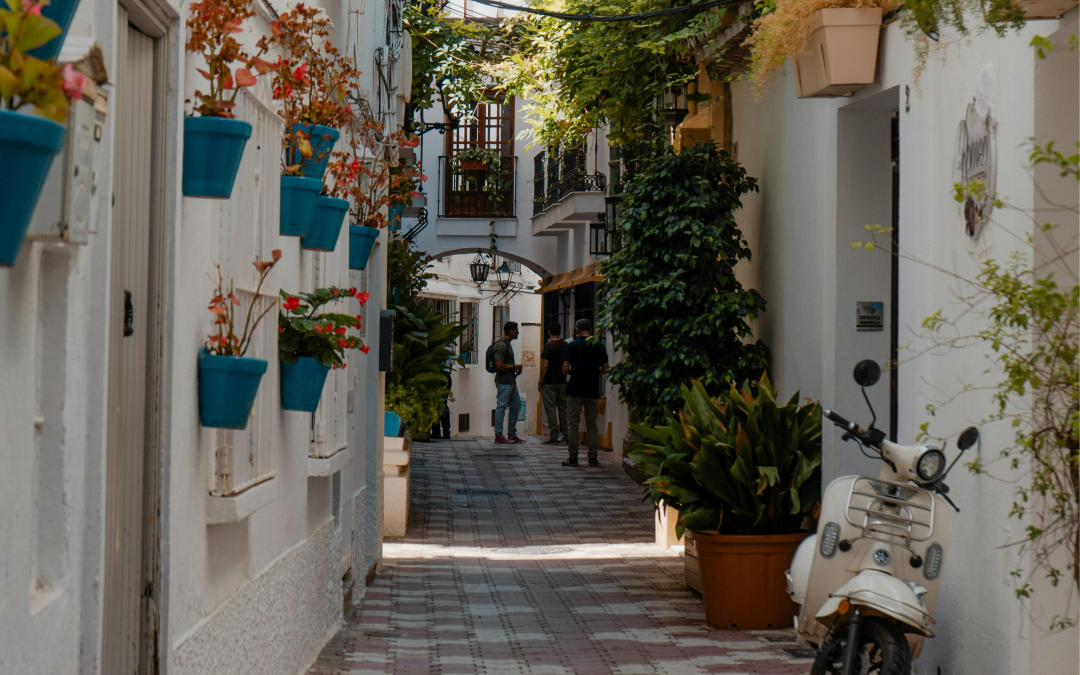
Spain doesn’t only win hearts with its history or architecture, but also with its way of life. Visitors to the country are often surprised and charmed by habits and traditions that make life here feel warmer, more social, and more enjoyable. From food and weather to beaches and celebrations, these are some of the Spanish customs that foreigners fall in love with the most.
1. The “Sobremesa”: chatting after a meal
In Spain, meals are a time to share, not just to eat. The sobremesa — that moment after a meal when people stay at the table for coffee, conversation, and good company — can last for hours.
Many foreigners find it surprising at first. In other countries, meals are often quick, but in Spain every meal becomes an opportunity to connect with friends and family.
Going out for tapas is a unique experience: small dishes shared while chatting and tasting a little bit of everything.
Some classic tapas that visitors quickly fall in love with include:
- Patatas bravas
- Spanish omelette (tortilla)
- Iberian ham
Tapas turn eating into a social journey, where each bar and each dish tells a small story.
3. Living in the streets: outdoor life
In Spain, streets are not just places to pass through — they are places to live. Terraces full of people, lively squares, and evening strolls are part of everyday life.
The warm climate, together with the sociable character of Spaniards, makes the streets feel like an extension of the home — a place where there’s always someone to share a moment with.
4. The weather: sunshine that wins hearts
Spain is known for its sunny and mild climate, allowing people to enjoy the outdoors almost all year round.
Foreigners often highlight how the sunshine changes daily life: walking through plazas, sitting on terraces, doing outdoor sports, or simply enjoying a coffee outside. Good weather not only brightens the day, but also encourages social life and a positive mindset.
5. Beaches: more than sun and sand
Going to the beach is more than just leisure — it’s a tradition. Spanish beaches are accessible, public, and full of life, often with beach bars (chiringuitos) where you can enjoy food and drinks right by the sea.
Many foreigners are surprised by how beaches are integrated into daily life: seaside walks, families spending the whole day by the water, and public showers that make enjoying the sea comfortable and easy.
6. Different schedules: life at a different pace
Spanish schedules can feel unusual for newcomers: lunch at 2:00 pm, dinner at 9:00 pm, and going out after midnight is quite normal.
This rhythm leaves more time for socializing, enjoying life, and embracing leisure — something many foreigners quickly come to appreciate.
7. The siesta (nap): a traditional break
Although not everyone practices it today, the siesta remains a symbol of rest and balance in Spanish culture.
A short rest after lunch helps recharge energy, relax, and enjoy the rest of the day. For many visitors, it represents the importance of slowing down and appreciating the small moments.
Spain is famous for its traditional festivals, where gastronomy, music, and culture come together. Some of the best-known celebrations include:
- La Tomatina
- San Fermín
- Las Fallas
These festivities show Spain’s joyful and communal spirit, where locals and visitors come together to enjoy unique and unforgettable experiences.
Conclusion
Spanish customs go far beyond gastronomy or landscapes. They represent a way of life that values connection, relaxation, and enjoying every moment.
For foreigners, discovering these traditions often means falling in love with Spain — not just for its monuments, but for its lifestyle filled with sunshine, conversations, laughter, and tradition.
Can you imagine living like this every day?
If all of this inspires you, Spain might not just be a holiday destination — it could be your next home.
At Sonneil, we help people from all over the world find their place on the Spanish coast, with homes designed to enjoy the sun, the sea, and the Mediterranean lifestyle.
Visit our website and discover your new home in Spain.


