
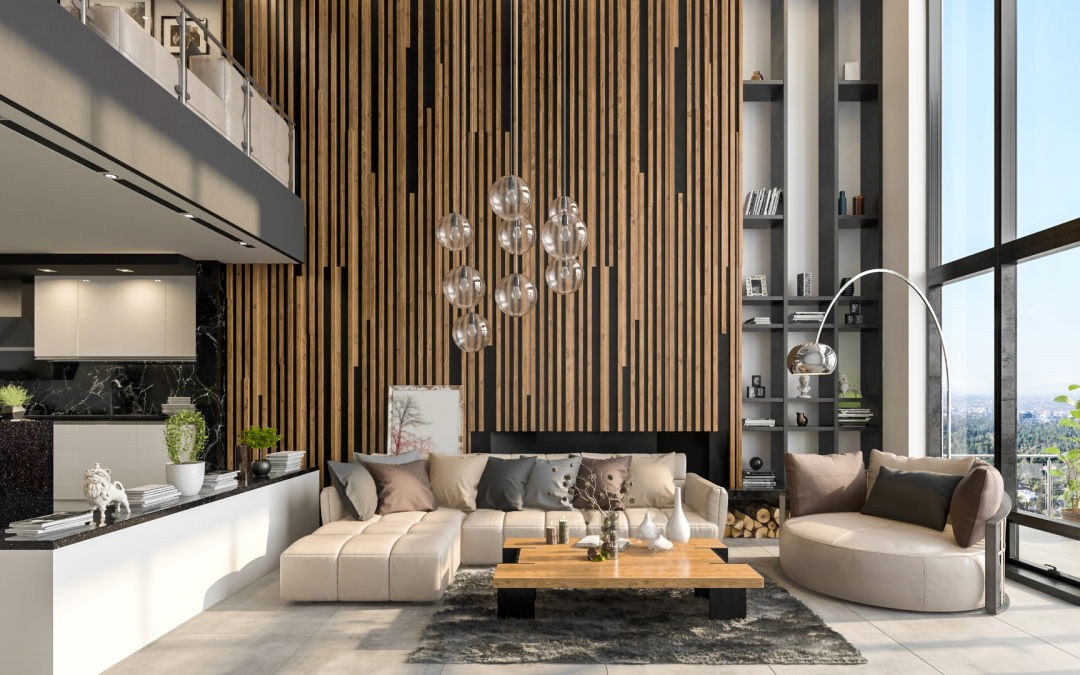
New build housing on the Spanish coast is evolving. Although location, climate, and proximity to the sea remain important factors for those seeking a second home, buyers’ expectations go much further.
Today, choosing a home by the sea also implies thinking about comfort, maintenance, energy efficiency, and the possibilities offered by the surroundings. A property can be a place to spend vacations, but also a space to enjoy extended stays, work remotely, or share time with family and friends.
At the same time, new residential developments are exploring different ways to combine architecture, design, and services, with proposals that seek to adapt to increasingly diverse lifestyles.
What trends are defining new build housing on the Spanish coast, and what should those looking for a second home keep in mind?
We analyze five approaches that help understand how coastal residential property is changing.
1. The New Real Estate Luxury: Fewer Worries and More Time to Enjoy
For years, residential luxury has been associated with living space, location, or the quality of materials. These elements remain relevant, but the experience of living in a property is also gaining importance.
For certain second-home buyers, the value of a property is tied to the ability to enjoy it without its maintenance becoming a constant worry.
Homes Designed to Enjoy from Day One
One of the advantages new build property offers is the possibility of purchasing a home designed according to current construction standards, complete with modern installations and finishes.
This can be particularly attractive for those looking for a property to use during vacations or at different times throughout the year.
A move-in ready home can reduce the need for initial renovations, although features and equipment depend on each development.
Layout, materials, climate control, and outdoor spaces are key aspects to analyze before making a decision.
Maintenance is Also Part of the Residential Experience
When a property is used as a second home, maintenance takes on special significance.
Buyers may spend weeks or months away from the property, making specific management and maintenance solutions a valuable source of convenience.
Some developments, particularly in high-end segments, incorporate services associated with property management or communal area care.
However, not all homes offer the same amenities. It is essential to check which services are included, which are optional, and what costs they may entail.
The True Value of Free Time
For many, buying a second home means having a place to rest, unwind, and enjoy the surroundings.
That is why the new residential luxury relates to a simple concept: having more time to enjoy the home and fewer worries associated with its management.
Comfort, services, and functionality can be just as important as design or surface area.
2. Coastal Housing is Designed to Resist Climate, Not Just to Take Advantage of It
Living near the sea offers distinct advantages related to climate and the Mediterranean lifestyle. However, the coastal environment also presents specific demands for architecture and construction materials.
Sun exposure, high temperatures, humidity, salinity, and wind are factors that influence a home’s design and upkeep.
Therefore, a key trend in new developments is paying close attention to the relationship between the building and environmental conditions.
Designing for Thermal Comfort
Property orientation, spatial distribution, and solar protection solutions influence indoor comfort.
Features such as overhangs, blinds, shading systems, and window design should be analyzed relative to the specific project and local climate.
The goal is not only to capitalize on natural light but also to control solar exposure and reduce cooling needs when possible.
Insulation and Climate Control: Essential Aspects
Thermal insulation is another essential factor to consider in a new build home.
A well-designed building envelope helps maintain stable indoor conditions and improves overall energy efficiency.
Climate control systems also play a major role, particularly in homes used during warmer months.
There is no one-size-fits-all solution; specifications depend on design, location, installed systems, and technical features of each residence.
Materials Prepared for Marine Environments
Salinity and humidity can affect specific construction elements, especially in outdoor areas.
Selecting appropriate materials and protective measures enhances durability and simplifies maintenance.
Key aspects to review include:
- Materials used on terraces and balconies.
- Protection of metallic elements.
- Facade finishes.
- Exterior joinery and window frames.
- Drainage and water evacuation systems.
- Maintenance recommendations.
A coastal home must not only enjoy its surroundings but also be designed to endure its conditions.
Construction quality and technical specifications deserve attention, especially when looking for a home to enjoy over many years.
3. Goodbye to Beige Aesthetics? The Search for Homes with Identity
In recent years, neutral interiors, light wood, and natural-looking materials have had a strong presence in contemporary housing.
This aesthetic conveys luminosity, calm, and spaciousness, adapting easily to different decorative tastes.
However, there is growing interest in spaces with greater personality.
Rather than claiming neutral tones have vanished, the focus is on how different approaches to interior design coexist.
From Uniform Design to Spaces with Character
In certain high-end developments, aesthetic proposals can appear quite uniform.
While neutral tones and minimal lines deliver a sleek modern image, they can also feel homogeneous.
To counter this, architects and designers explore alternatives based on:
- Natural materials.
- Distinct textures.
- Colors inspired by nature.
- Artisanal elements.
- Distinctive architectural details.
These choices expand design possibilities rather than replacing minimalism entirely.
Mediterranean Identity as Inspiration
Along the Spanish coast, architecture establishes a deep link with the landscape and local culture.
Local colors, textures, vegetation, and materials inspire spaces that connect a home to its surroundings.
This manifests in diverse design decisions, from finish selection to indoor-outdoor integration.
Mediterranean identity does not require a traditional style; it can be expressed through contemporary architecture with subtle local touches.
Universal Design or Personal Character?
For developments targeted at diverse international buyers, broad appeal remains essential.
At the same time, buyers seek properties that express personal taste without feeling generic.
Balancing timeless aesthetics with distinct features depends on the specific project and client profile.
The evolution of residential design lies in exploring homes with greater identity, connection to nature, and adaptability.
4. Coastal Homes Are No Longer Exclusively Second Residences
A holiday home can serve multiple purposes throughout the year.
While many buyers seek a seasonal getaway, others intend to stay for extended periods, work remotely, or convert the property into a primary home in the future.
These evolving uses influence the features to prioritize when selecting a new build property.
From Short Vacations to Extended Stays
How a second home is utilized depends on individual circumstances.
Some owners concentrate usage in summer, while others spend long seasons, alternate primary residences, or enjoy off-peak visits.
This versatility makes overall functionality critical.
A property designed solely for brief visits may not meet the demands of several months of continuous living.
Spaces Adapting to Different Lifestyles
Flexibility adds significant value to a home.
Key features to assess include:
Multifunctional rooms: spaces adaptable as bedrooms, home offices, or guest rooms.
Connectivity: reliable internet infrastructure for remote working and digital tasks.
Storage: sufficient space for clothing, sports gear, and daily items.
Functional kitchen: layouts suited for both brief stays and daily routine cooking.
Climate control: efficient systems providing year-round thermal comfort.
As features vary across developments, reviewing exact specifications is vital.
A Second Home That Evolves with Its Owner
Needs change over time.
A holiday retreat can gradually become a frequent destination, a family gathering hub, or a future main residence.
When purchasing, consider both immediate use and long-term adaptability.
The ideal home is one whose characteristics align with the buyer’s actual operational needs.
5. Developments Approach the “Resort Residential” Model
Communal areas have gained prominent importance in modern developments.
Beyond swimming pools, new projects feature dedicated zones for sports, wellness, leisure, and socializing.
This raises an essential question:
Are communal amenities shifting from optional add-ons to central components of the living experience?
Beyond the Swimming Pool
Modern developments offer diverse shared facilities, reflecting location and concept.
Possibilities include:
- Gyms.
- Wellness areas.
- Sports facilities.
- Landscaped gardens.
- Leisure spaces.
- Relaxation zones.
- Bicycle storage areas.
- Co-working spaces.
Evaluating whether facilities truly match lifestyle expectations and maintenance budgets is essential.
The Residence as a Space for Well-Being
On-site facilities enhance daily enjoyment without requiring travel.
Gyms, gardens, or sports courts expand leisure options directly at home.
They also offer spaces to connect with family and neighbors.
Practicality depends on personal priorities and actual usage patterns.
What Should Buyers Evaluate in Amenity-Rich Developments?
Before deciding, buyers should verify:
- Included facilities.
- Usage restrictions.
- Maintenance fee structures.
- Capacity and scale of communal areas.
- Proximity of amenities to the home.
- Availability of extra services.
The resort residential model highlights a shift toward homes where shared environments enrich living standards.
The goal is selecting services that provide genuine daily value.
Conclusion: New Build Coastal Homes Evolve Toward a Comprehensive Residential Experience
Trends along the Spanish coast reflect an evolution reaching far beyond simple architecture.
Comfort, climate adaptation, space flexibility, and services are primary considerations for second-home buyers.
Concurrently, architecture merges contemporary aesthetics, local identity, and environment connection.
No single property fits all buyers. Assessing individual lifestyles, budgets, and usage plans is key.
Looking beyond first impressions to evaluate design, efficiency, location, and services ensures a sound investment decision.
Find Your Next New Build Home with Sonneil
If you are looking for a second home on the Spanish coast combining design, comfort, and premium living spaces, visit Sonneil and explore our selection of properties and new residential developments. Find a property perfectly aligned with your lifestyle.


