
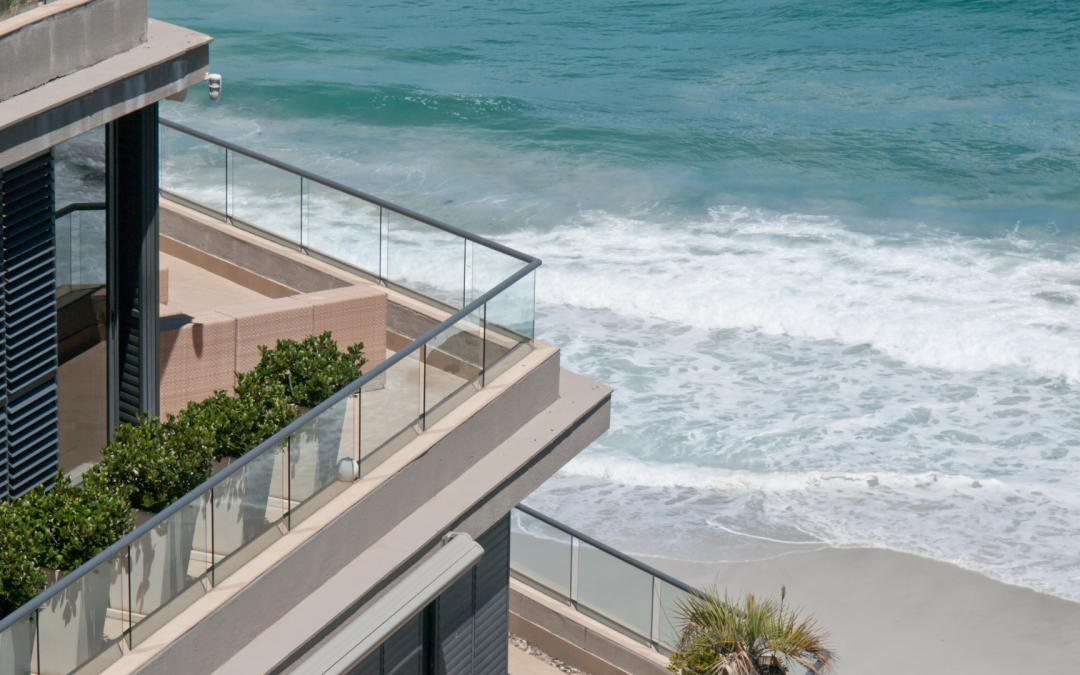
Buying a home near the beach is a dream shared by many people. Whether you’re looking for a permanent residence, a holiday home or a property investment, living by the sea offers a lifestyle that’s hard to match. The pleasant climate, peaceful surroundings, close connection with nature and the opportunity to enjoy the coast all year round are just some of its many advantages.
However, choosing a coastal property involves much more than enjoying sea views or being within walking distance of the beach. Factors such as the property’s orientation, construction quality, energy efficiency and maintenance costs can make a significant difference to your day-to-day comfort and the long-term value of your investment.
In this article, we explore the key aspects you should consider before buying a home near the beach, helping you make your decision with complete confidence.
Location Is About Much More Than Proximity to the Beach
Although living just a few metres from the sea is undoubtedly appealing, the location of a property should be assessed from a broader perspective.
It’s important to ensure the area offers all the essential services you’ll need, especially if the property will be your primary residence. Supermarkets, healthcare centres, pharmacies, schools, restaurants, shopping areas and sports facilities can all have a major impact on your quality of life.
You should also consider road access, public transport connections, and the proximity of airports or train stations if you expect to travel frequently.
Another factor that is often overlooked is how lively the area remains outside the peak tourist season. While some coastal towns become very quiet during the winter months, others maintain a vibrant atmosphere and full range of services throughout the year.
Finally, it’s worth researching any planned urban developments in the area. New infrastructure, parks, promenades or public improvements can significantly increase the property’s value over time.
A Property’s Orientation Has a Major Impact on Comfort and Energy Efficiency
Orientation is one of the most important factors when buying a coastal property, yet it’s also one of the most frequently overlooked.
A well-oriented home benefits from more natural light, maintains a more comfortable indoor temperature throughout the year and reduces the need for heating and air conditioning. It also determines how enjoyable terraces, gardens and other outdoor living areas will be.
In Mediterranean regions, where sunshine is abundant for most of the year, choosing the right orientation can have a significant impact on everyday comfort.
Want to Know Which Orientation Is Best for a Coastal Home?
Discover which orientation offers the best balance between natural light, thermal comfort and energy efficiency in our complete guide.
Construction Quality Is Essential in Coastal Areas
Homes located close to the sea are exposed to environmental conditions that differ considerably from those inland.
Humidity, sea breezes and salt in the air can accelerate the deterioration of certain materials if the property has not been designed to withstand coastal conditions.
For this reason, it’s advisable to pay close attention to the quality of the façade, waterproofing systems, roof construction and the durability of external joinery.
High-quality windows with excellent thermal and acoustic insulation, together with corrosion-resistant materials, will help keep the property in excellent condition for longer while reducing maintenance costs.
If you’re buying a newly built home, it’s also worth asking about the construction methods and materials used, particularly how they perform in humid environments and under high summer temperatures.
Make the Most of Outdoor Living Spaces
One of the greatest advantages of living near the beach is being able to enjoy outdoor living for much of the year.
That’s why it’s important to carefully assess the property’s terraces, gardens, balconies and rooftop solariums.
It’s not just the size that matters, but also their orientation, level of privacy and protection from the sun and wind.
A well-designed, well-oriented terrace can become an additional living space—perfect for enjoying breakfast, working outdoors or spending time with family and friends.
If the development includes a swimming pool, landscaped gardens, communal areas or children’s play areas, it’s also worth evaluating their design, quality and overall condition.
Review the Maintenance Costs
Before buying a home near the beach, it’s important to understand the ongoing maintenance costs associated with the property.
If you’re purchasing an apartment or a home within a residential development, make sure you ask about the community fees and what they include, such as the maintenance of gardens, swimming pools, lifts, cleaning services or security.
It’s also worth remembering that properties located close to the sea may require more frequent maintenance due to the effects of salt air, particularly on metal fixtures, railings and outdoor furniture.
Understanding these costs from the outset will help you plan your investment more effectively and avoid unexpected expenses in the future.
An Energy-Efficient Home Saves Money in the Long Run
Energy efficiency has become increasingly important for both financial and environmental reasons.
A well-insulated home maintains a more stable indoor temperature throughout the year, reducing the need for heating and air conditioning and lowering energy consumption.
Before purchasing a property, it’s advisable to review its Energy Performance Certificate (EPC) and check features such as insulation quality, window performance, heating and cooling systems, and the inclusion of energy-efficient technologies such as aerothermal systems.
New-build developments often incorporate modern construction techniques and technologies that significantly reduce energy consumption while improving indoor comfort.
Think About the Property’s Future Value
Buying a home is a long-term decision, so it’s important to consider not only your current needs but also the property’s future potential.
The quality of the surrounding area, transport links, local demand and planned infrastructure improvements can all influence the property’s value over time.
In addition, if you decide to rent out or sell the property in the future, features such as a prime location, high construction quality and excellent energy efficiency will make it far more attractive to prospective buyers or tenants.
Choosing a property with long-term value in mind is one of the smartest ways to protect your investment.
Conclusion
Buying a home near the beach involves much more than simply choosing a property close to the sea. Its location, orientation, construction quality, energy efficiency, outdoor living spaces and the services available nearby will all influence your quality of life and the long-term value of your investment.
Taking the time to carefully evaluate each of these factors will allow you to make a more informed decision and find a home that truly suits your lifestyle and your future plans.
If you’re still comparing different destinations along the Spanish coast and aren’t sure which one is right for you, we recommend exploring our Spain Happy Index. This unique tool analyses and compares different coastal locations based on quality of life, climate, local services, natural surroundings, transport connections and many other important factors, helping you find the perfect place to live or enjoy a second home.


